
Migraine
Expert migraine treatment at Dr. Ravi's Dental and Orofacial Pain Clinic
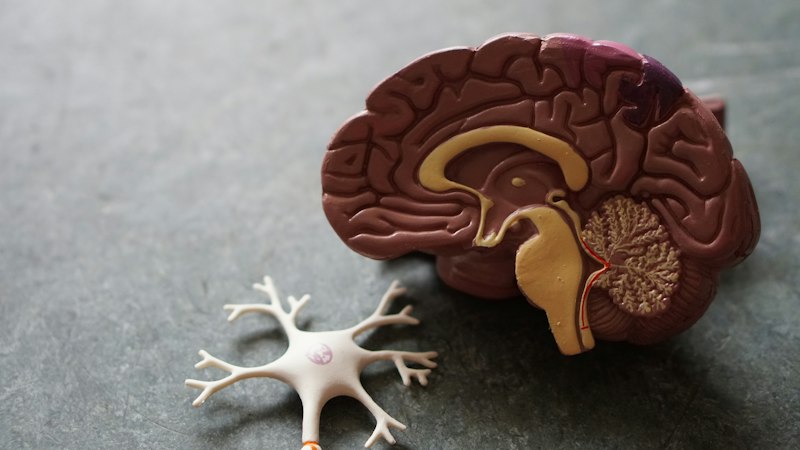
Migraine is a complex neurological condition — but what many patients don't realize is that orofacial structures play a significant role in triggering and perpetuating migraine attacks. The trigeminal nerve, which supplies sensation to your face and teeth, is intimately involved in migraine pathophysiology. At our clinic, we evaluate and treat orofacial contributors that may be worsening your migraine frequency and intensity.
Orofacial Conditions Linked to Migraine
- Trigeminal Neuralgia: Intense, electric-shock-like facial pain triggered by chewing, talking, or touch — often misdiagnosed as migraine
- Temporomandibular Disorder (TMD): TMJ inflammation activates the trigeminal system, lowering the threshold for migraine attacks
- Bruxism: Nocturnal grinding overloads the trigeminal nerve and triggers morning migraines
- Dental Infections: Chronic low-grade dental infections create sustained nociceptive input that sensitizes the trigeminal nucleus
Our Migraine Evaluation
We conduct a detailed headache history, orofacial examination, and dental imaging to identify contributing factors. We look for signs of occlusal trauma, muscle hypertrophy, TMJ derangement, and dental pathology that may be acting as "migraine amplifiers."
Treatment Strategies
Neuromodulator Therapy: In selected cases, we use targeted injections to reduce muscle hyperactivity and nerve sensitization.
Stabilization Splints: Precision-fitted occlusal guards that reduce nocturnal clenching and protect the TMJ complex.
Nerve Blocks: Diagnostic and therapeutic blocks to identify trigeminal branch involvement and provide temporary relief.
Multidisciplinary Coordination: We work alongside neurologists to ensure your migraine management is comprehensive and coordinated.
When to See Us for Migraine
If your migraines are accompanied by jaw pain, tooth sensitivity, facial numbness, or if they predominantly occur in the morning, an orofacial evaluation may reveal treatable triggers that medication alone cannot address.
Frequently Asked Questions
Yes. The trigeminal nerve carries pain signals from both the face and the meninges (brain lining). Orofacial pain can sensitize the trigeminal nucleus, lowering the threshold for migraine attacks.
Migraine is typically throbbing, lasts hours to days, and may include nausea and light sensitivity. Trigeminal neuralgia is sharp, electric, lasts seconds to minutes, and is triggered by specific stimuli like chewing or wind.
Results vary. For patients with significant orofacial triggers, reducing these inputs can dramatically decrease migraine frequency and severity. It may not eliminate migraines entirely but can make them more manageable.
Ready to Get Started?
Book a consultation with our specialists and take the first step toward relief and a healthier smile.
Book Appointment